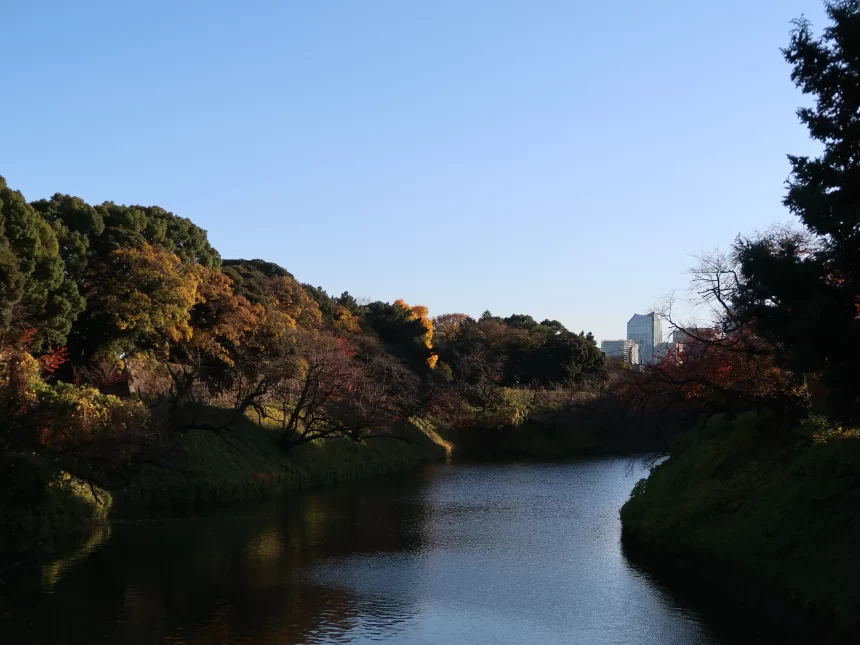
Kitanomaru National Garden is a tranquil green space located north of the Imperial Palace, at the heart of Tokyo. Adjacent to Yasukuni Shrine, it offers a rich natural setting that lets visitors forget the hustle and bustle of the city. This area was originally part of Edo Castle, developed during the Edo period as a defensive zone called “Kitanomaru.” Now open to the public as a vast park, it offers various ways to enjoy nature walks, historical exploration, and cultural facilities.
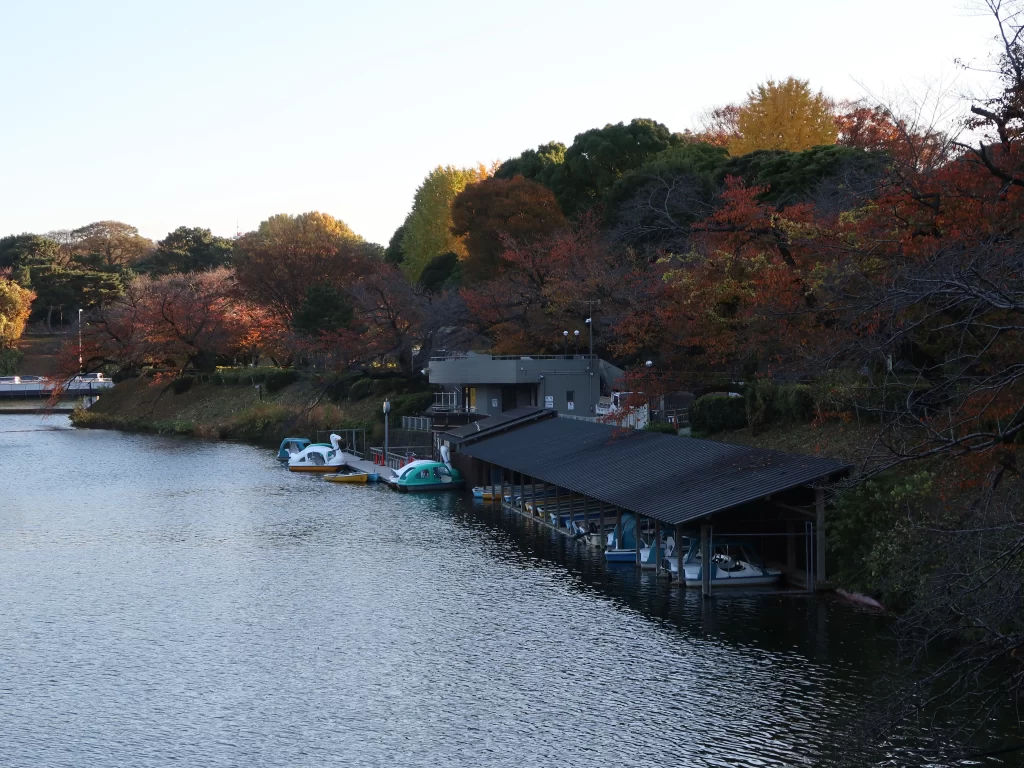
Stepping into the park reveals an abundance of nature unimaginable for a city center. Its appeal lies in the beautiful scenery that changes with each season: cherry blossoms bloom along Chidorigafuchi in spring, perfect for viewing from a boat. In early summer, the fresh greenery glows, and autumn brings beautiful gradients of autumn leaves. Witnessing the park’s completely different colors throughout the seasons makes it a memorable spot for photography. Public Surroundings With many wide, open paths, it’s perfect for walking or jogging. It’s also an ideal spot for travelers wanting to relax between sightseeing activities.
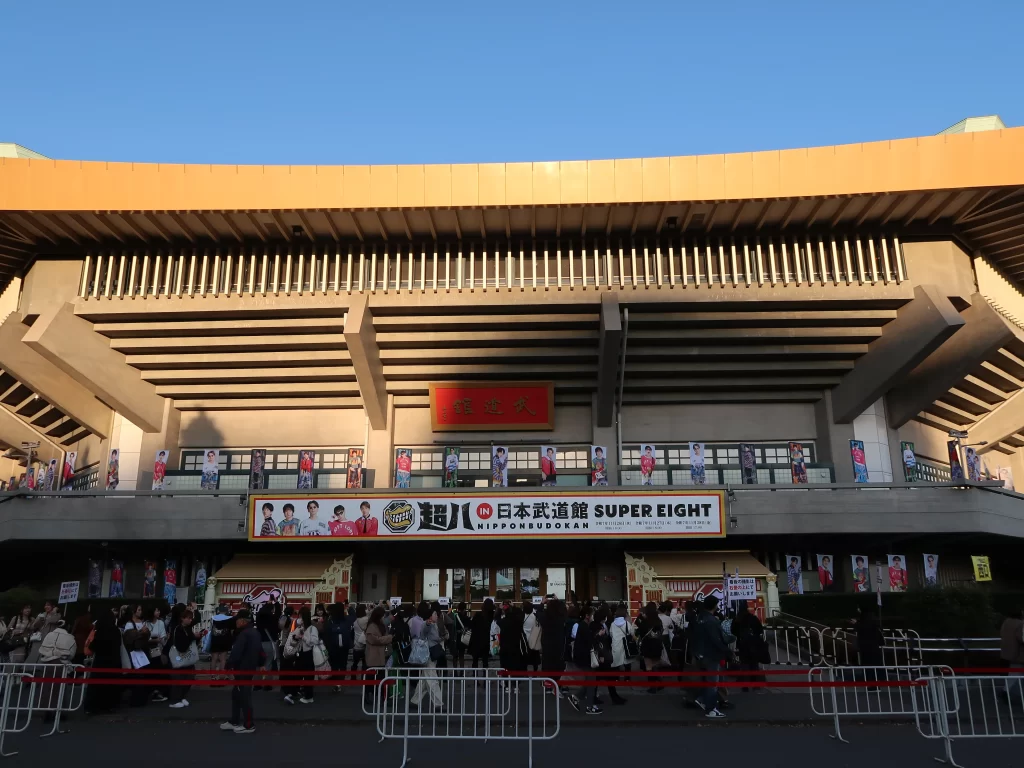
Kitanomaru National Garden is home to several of Tokyo’s most representative cultural facilities. One of these is the Nippon Budokan. This building, with its distinctive circular roof, is famous not only for hosting martial arts tournaments but also as a venue for concerts by world-class artists. Many legendary musicians, including The Beatles and Queen, have performed here. It’s a popular spot for foreigners as a symbolic place where culture and history intersect.
The park also houses the Science Museum. This interactive science museum offers fun learning experiences for all ages, showcasing Japan’s technological and scientific advancements. It’s especially recommended for families. Furthermore, the Tokyo National Museum of Modern Art (MOMAT) is located nearby, providing a valuable opportunity to engage with Japanese modern art.
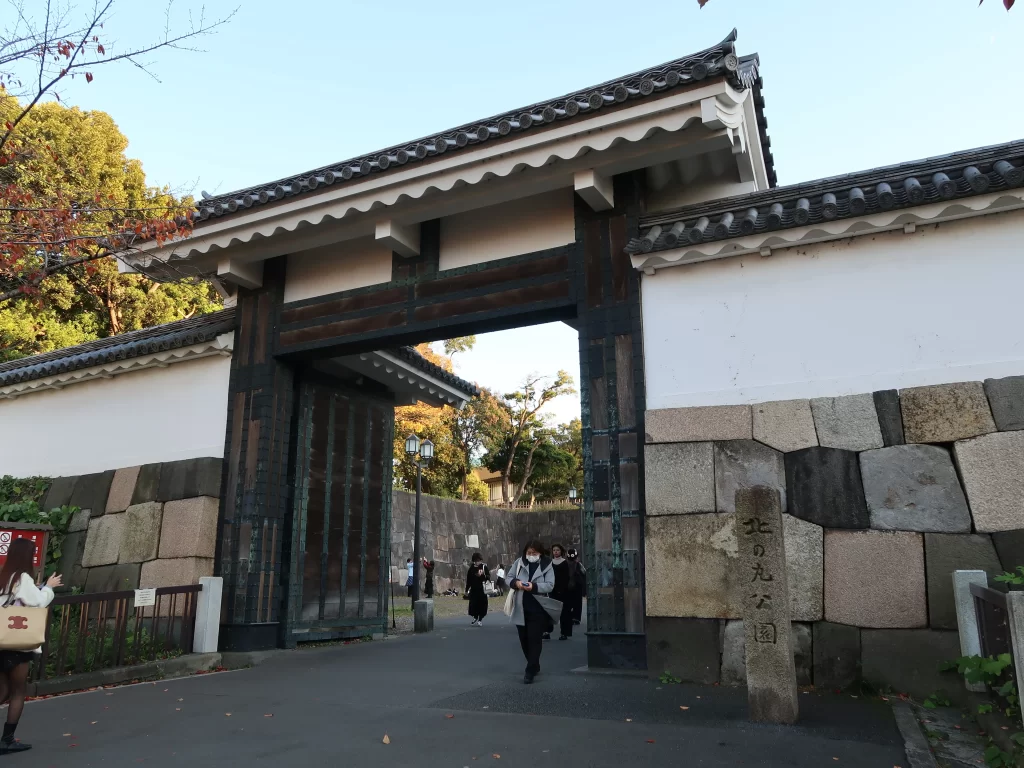
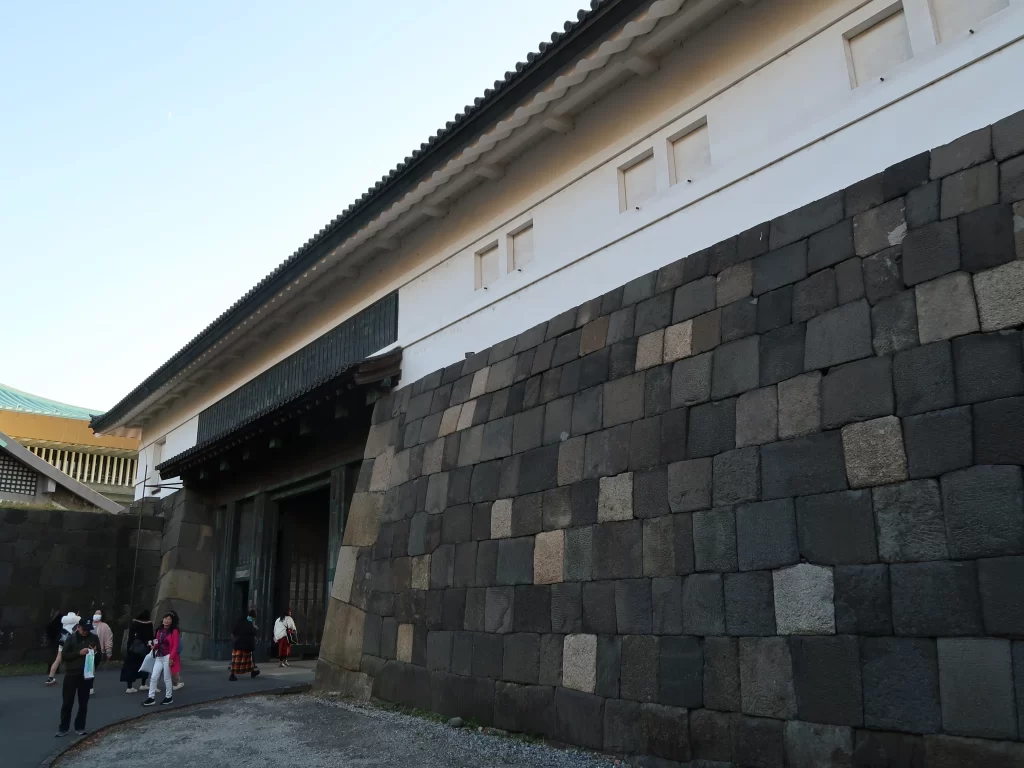
Kitanomaru National Garden also houses historical structures designated as Important Cultural Properties. The Tayasu Gate, in particular, is one of the few surviving gates from Edo Castle. Its impressive stone walls and wooden gate structure preserve the atmosphere of the era. Passing through the gate reveals a landscape where lush nature blends with historical ambiance, making it a popular photo spot.
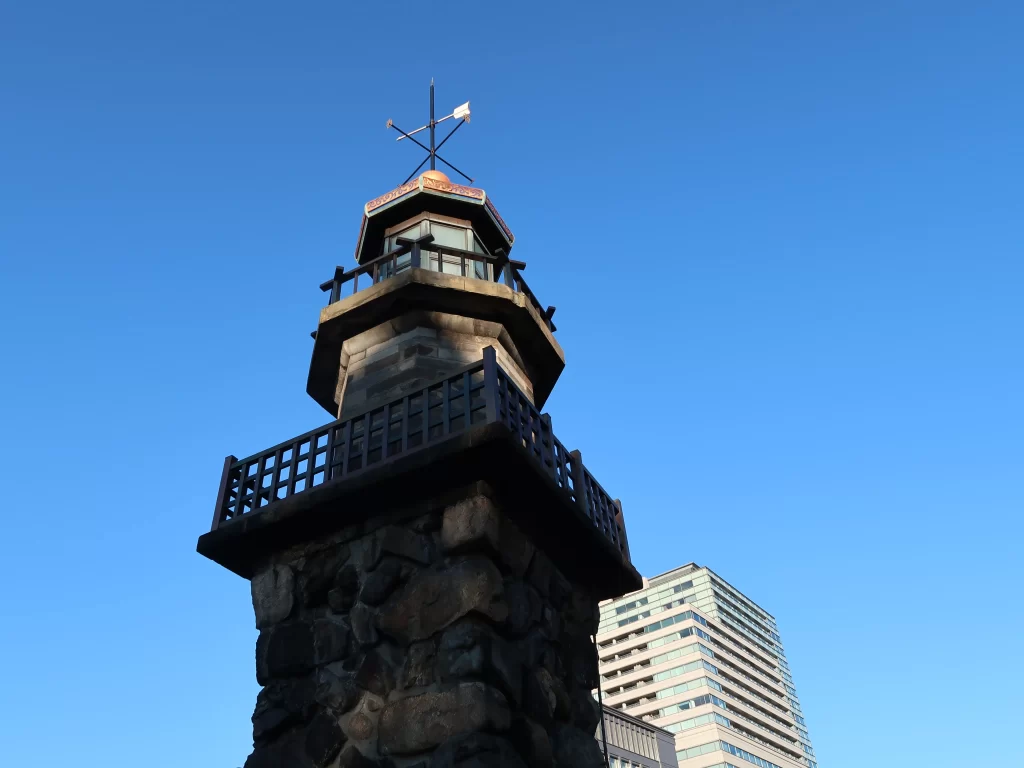
Outside the park, though hard to imagine, stands the Joto-Myodai (Lantern Tower), which served as a navigational beacon for ships entering and leaving the Shinagawa area during the Meiji era.
Walking south along Chidorigafuchi, you’ll find the Chidorigafuchi National Cemetery(cemetery for the unknown war dead) , which holds the remains of Japanese nationals who died overseas during wartime. It holds the remains not only of military personnel and their dependents, but also of ordinary Japanese citizens who perished overseas. These remains cannot be returned to their families because the individuals cannot be identified.
Access to Kitanomaru Park is also very convenient. The closest station is Kudanshita Station, served by the Tokyo Metro Tozai Line, Hanzomon Line, and Toei Shinjuku Line. However, the entire area from Tokyo Station to the Imperial Palace is within walking distance and perfect for strolling. This makes it a great opportunity to walk around the entire Imperial Palace from Tokyo Station.
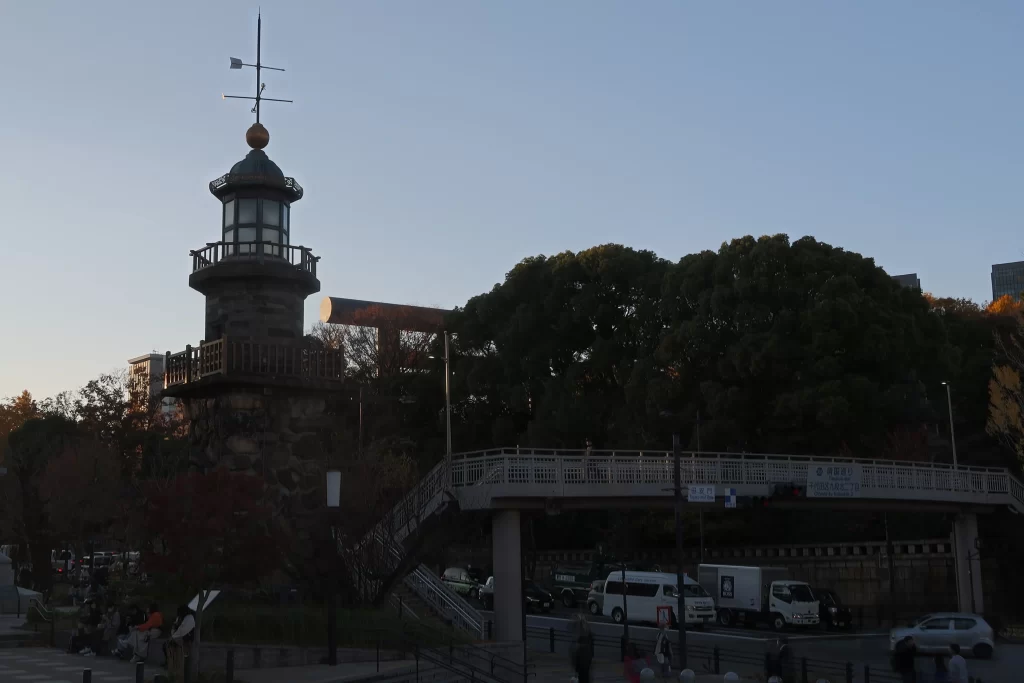
Kitanomaru Park Garden is a precious place in the heart of Tokyo where you can simultaneously enjoy nature, culture, and history. Despite being in the middle of a major metropolis, it maintains a sense of tranquility. For foreign travelers, it’s a spot where you can truly experience Tokyo (Edo). Please spend some relaxing time in this space where tradition and modernity harmonize.
How to get this place
Address:
1-1 Kitanomarukoen, Chiyoda City, Tokyo
Access:
From Tokyo Station(Ootemachi):

Take the Tozai Line to Kudanshita Station. The ride takes about 4 minutes. From there, it’s another 5 minutes on foot.
Places you can visit together:



No comments yet.